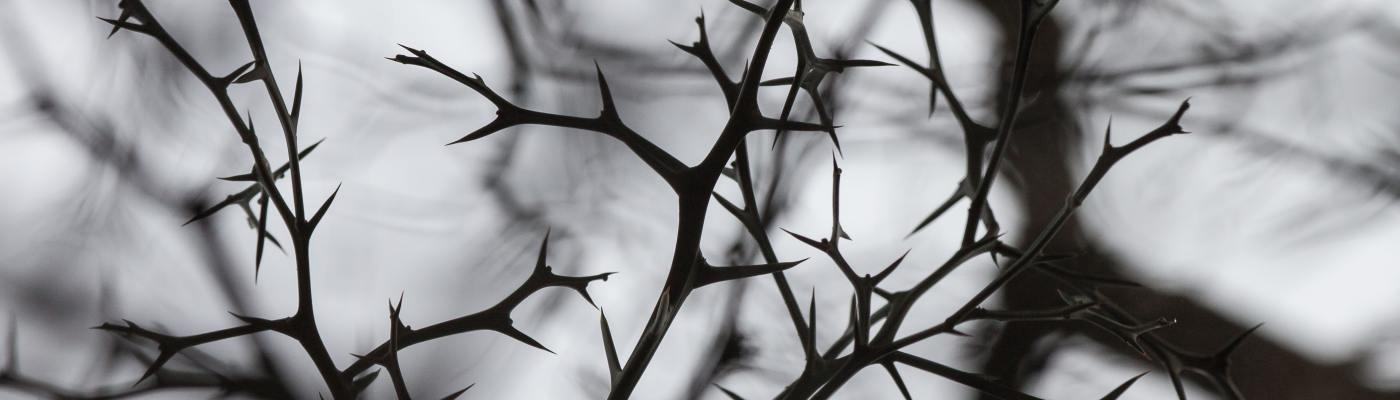
Les Trois Oiseaux (the three Birds) by Jean-Joseph Rabearivelo (1953)
This poem is featured in Tiff’s and my YA novel—you may recognize the title in its lines.
Novelists know that their Google searches can get kind of weird, but my search terms weren’t exactly weird, just vague and optimistic. I found Rabearivelo on the dusky web (that’s like the dark web but for poetry) by searching ‘obscure poems in French’ and spending a fair amount of time in a rabbit hole. I was looking for something that our protagonist and her love interest might have a connection to but that would be relatively unknown otherwise.
I can’t believe how well this poem addresses the themes in our novel. It examines the interplay of the three traditional facets of humanness: the body, the mind, and the spirit. It wonders about our reality and how we create it. It looks at our place in the natural world and our society, and it addresses our preoccupations with death and eternity. Our beta reader, who is available for hire and whom I wholeheartedly endorse, even asked, “How did you find the perfect poem?”
Simple. Poetry is magic.
Short Stuff:
- Rabearivelo was born in Madagascar only ten years after its French colonization. His life was marked by the struggle of dual identity–Malagasy and French. This struggle would ultimately end in death by suicide at the age of 34 or 36. (His birth year is unverified.)
- He is considered to be Africa’s first modern poet.
- When Madagascar gained its independence in 1960, the government appointed him its national poet.
Topics
society; the natural world; identity; death & dying; spirituality
Les Trois Oiseaux
L’oiseau de fer, l’oiseau d’acier,
après avoir lacéré les nuages du matin
et voulu picorer des étoiles
au-delà du jour,
descend comme à regret
dans une grotte artificielle.
L’oiseau de chair, l’oiseau de plumes
qui creuse un tunnel dans le vent
pour parvenir jusqu’à la lune qu’il a vue en rêve
dans les branches,
tombe en même temps que le soir
dans un dédale de feuillage.
Celui qui est immatériel, lui,
charme le gardien du crâne
avec son chant balbutiant,
puis ouvre des ailes résonnantes
et va pacifier l’espace
pour n’en revenir qu’une fois éternel.
—Jean-Joseph Rabearivelo
The bird of iron, the bird of steel
having cut the clouds of the morning
and aiming to strike the stars
beyond day,
tumbles like a regret
into a fabricated cave.
The bird of flesh, the bird of feathers
who carves a tunnel through the wind
to reach the moon found in a dream,
in the branches of a dream,
falls in tempo with the night
into a maze of brambles.
The one who has no form, this one,
charms the guardian of our thoughts
with his uncertain song,
then opens resonant wings
and means to pacify space
not to return but once, immortal.
The translation I’ve included is the one completed by our protagonist, Keira Bell, for a French project. Since she is only a senior in high school, you may be interested in reading a different translation. Here is a link to the version I first found, and here is a link to one that is either more popular or that has better SEO practices.
 stuckandmericle.com